What does a hotel's morning actually run on?
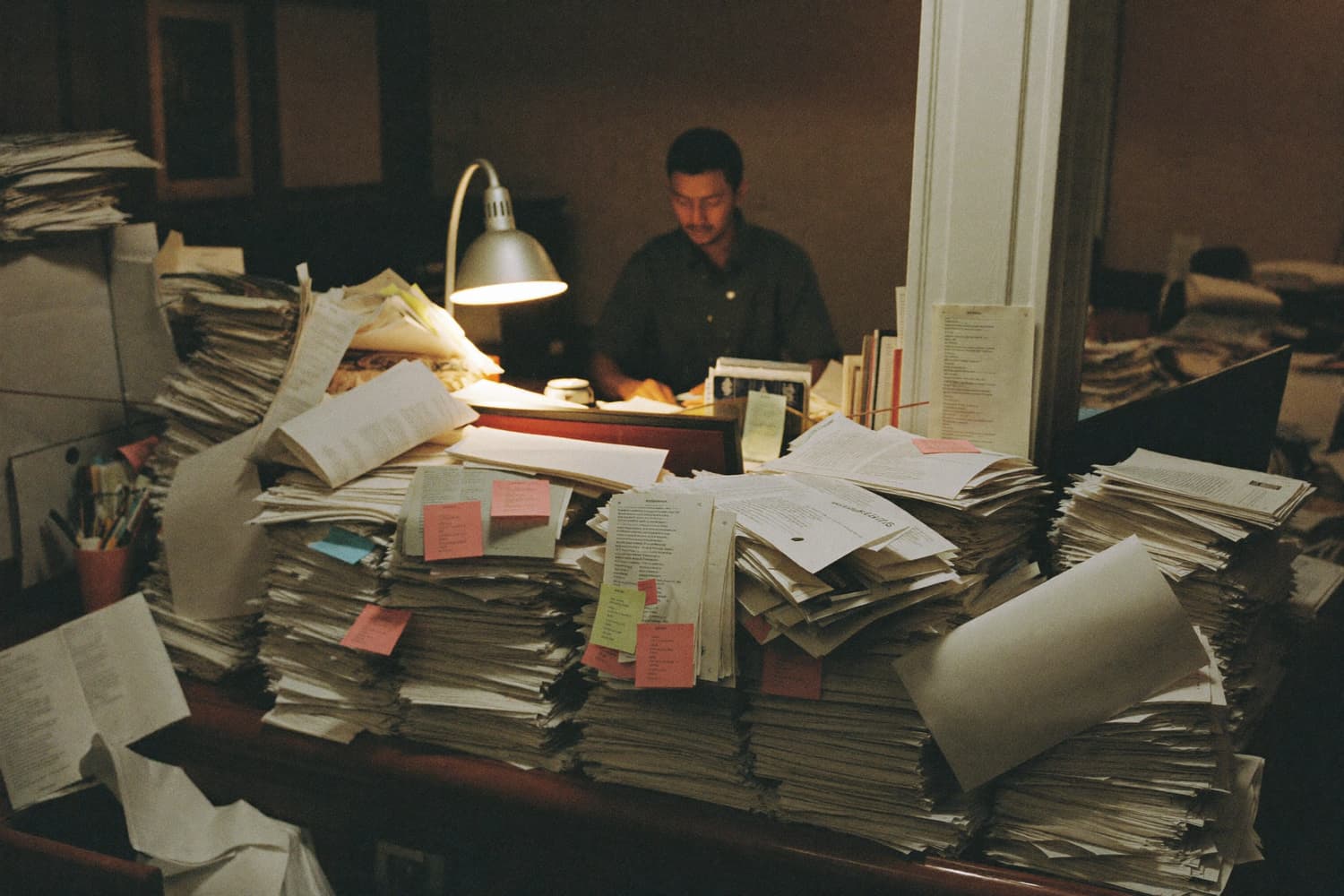
Before a single guest comes down, reception prints the day: the list of everyone taking breakfast — who has it included — the VIPs in house, and the morning report with the news of the hotel and anything the team needs to know.
The first person in takes the food cart and sets the whole buffet, so that at 6:30 the room opens without a scramble. Only then does the real paperwork begin.
Why does preparing the breakfast list take so long?
The lists don't arrive ready. Someone takes the VIP list and the breakfast-included list and cross-maps them by hand — matching room numbers, checking which VIPs also have breakfast included, writing a small “V” next to each room so the team knows at a glance.
Then the pages are stapled together, and the desk is finally “ready” to welcome. Every morning, from scratch. Nothing carries over; the ritual simply repeats.
What does the paper actually cost — in the moment?
“Good morning — your room number, please?” Then the search begins. At 150 guests the breakfast list is four pages; a fuller house is more. The receptionist thumbs through them to find one room.
The real cost isn't only the minutes. It's that your eyes are on the paper, not on the person in front of you — so asking their name on top of the wait feels like too much, and the welcome shrinks to a transaction. When two guests arrive at once, a quiet line forms at exactly the moment that should feel like coming home.
What changed when the paper went away?
Nothing about the inputs changed. The hotel still prints the same PDF from its PMS. The difference is who reads it: the first person in downloads that PDF from the morning email and uploads it to the app — under three minutes — then goes back to finishing the buffet. By the time they return, the morning is loaded and ready.
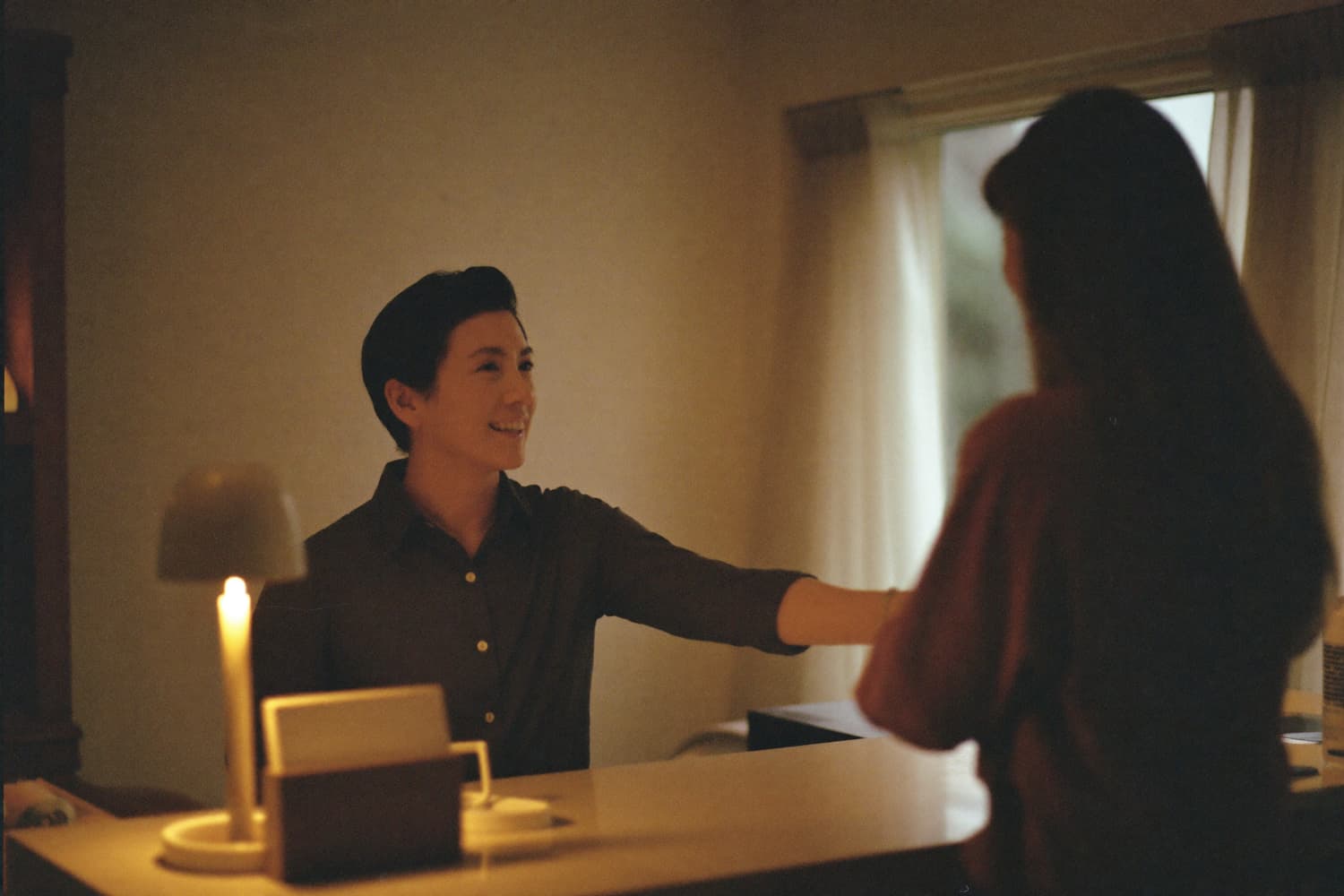
Now check-in takes under five seconds. And when the team knows a guest's name, they skip the room number entirely: “Good morning, Madame — welcome, enjoy your breakfast.” Nothing else. No search, no paper between you. Like they're home.
Where does the “40 hours a month” number come from?
It isn't a stopwatch stunt. We measured it with the team, over months of everyday use — the minutes the desk used to spend building and searching the lists, now given back. It lands around forty hours a month, and the team spends them on guests instead of paper.
Honest about the build, too: the first working version took about two weeks, and then the part that mattered — sitting with the team and shaping it screen by screen until it fit their morning exactly. The hotel stays anonymous by choice; this is real work under NDA.
What this means for your hotel
If your morning looks like this, it isn't because your team is slow. It's because they're reading when they should be welcoming — and that is a fixable problem. The tool that fixes it doesn't replace your PMS or your people; it just reads the paper they already print, so the front desk can look up.
Questions we hear
- Do we have to change our PMS?
- No. The tool reads the list your PMS already prints — it sits in front of your system, not instead of it. Keep Mews, Cloudbeds, Apaleo, whatever you run.
- How fast is check-in, really?
- Under five seconds once the morning is loaded — and loading a new morning from the PDF takes under three minutes, done once by whoever opens the buffet.
- Is guest data safe?
- Yes. It reads the morning list; it isn't a new database of your guests. Data is processed in the EU, never sold or used to train anything, and handled under NDA.
- Our hotel is small — is this overkill?
- The opposite. The smaller the team, the more a lost morning hurts. This is built for independent and boutique hotels, not chains.
← All guides·Made in Paris by imarketin — expert humans + AI.